
Surging Office Outfit Ideas to Energize Your Work Life
Ready to transform your workday style? For professionals tired of the same old office looks, finding the right balance between professional and personal can be a game-changer. This guide breaks down office outfit ideas that will boost your confidence and keep you looking fresh Monday through Friday. We’ll cover essential wardrobe pieces that form the backbone of any work closet, show you how power dressing can actually improve your workplace performance, and share tips for adding personality to traditional office attire while staying professional.
Core Office Wardrobe Essentials
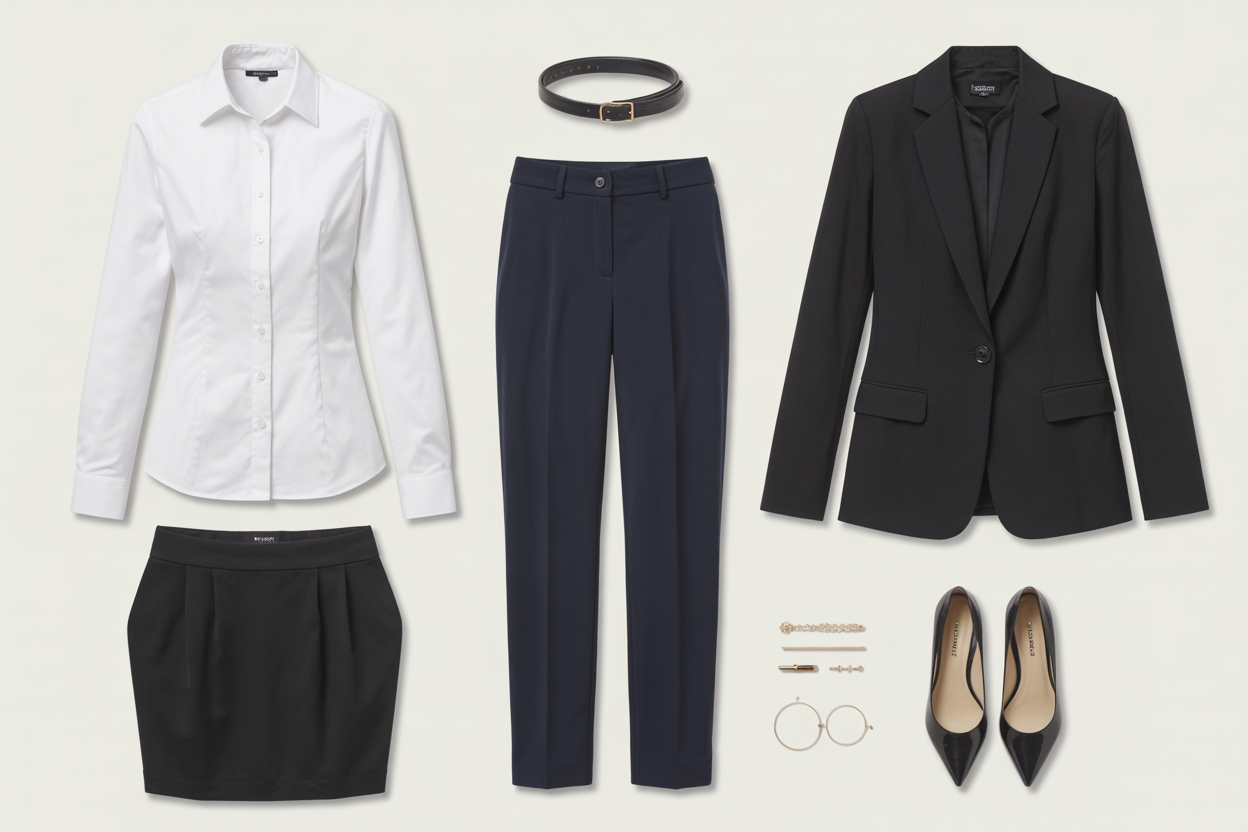
A. Timeless Investment Pieces That Always Look Professional
Building a work wardrobe isn’t about buying everything at once. It’s about collecting quality pieces that last years—not weeks.
Start with a well-tailored blazer. Navy, black, or charcoal gray will be your best friend. The structure alone elevates any outfit from “I tried” to “I mean business.” When shopping, check the shoulder fit—it should lie flat without pulling or bulging.
A quality pencil skirt or tailored trousers deserve your investment dollars too. These foundation pieces work overtime for you. Good wool-blend trousers will hold their shape through countless meetings while a lined pencil skirt in a neutral shade pairs with practically everything.
Don’t skimp on footwear. One pair of well-made leather pumps (black or nude) will outlast five cheap pairs. Your feet will thank you during those long presentation days, and everyone notices shoes—even when they pretend not to.
The white button-down shirt is non-negotiable. Find one that fits your body perfectly—no gapping buttons or awkward pulling. Spend extra for wrinkle-resistant fabric if possible. You’ll reach for it weekly for years.
B. Versatile Basics to Mix and Match
The secret to a hardworking office wardrobe? Pieces that play well with others.
Knit shells and sleeveless tops in neutral colors slip under blazers or cardigans effortlessly. Stock up on black, white, navy and perhaps a soft blush or light blue. These basics turn three jackets into fifteen different looks.
Midi skirts in solid colors offer surprising versatility. Pair with pumps and a crisp blouse for client meetings or flats and a simple top for everyday office work. The modest length works in conservative environments while still feeling current.
Cardigans are the unsung heroes of office dressing. A few well-made options (avoid the flimsy, pill-prone versions) can replace blazers when you want to look professional but approachable. Dark neutrals are safe, but don’t be afraid of a deep burgundy or forest green for visual interest.
Dresses deserve special mention here. A simple sheath dress is basically a complete outfit in one piece. Add different jewelry, shoes, and layers to transform it throughout the week.
C. Seasonal Must-Haves for Year-Round Style
Office AC in summer. Drafty conference rooms in winter. Your wardrobe needs seasonal strategy.
For summer, lightweight cotton-blend trousers breathe better than synthetic fabrics. Short-sleeve blouses with modest necklines keep you cool while looking polished. A lightweight blazer in a breathable fabric saves you during frigid indoor meetings despite the heat outside.
Winter demands smart layering. A fine-gauge turtleneck under blazers adds warmth without bulk. Wool trousers lined to the knee prevent the dreaded static cling. Consider a wrap dress in ponte knit—it resists wrinkles while providing comfort and warmth.
Transition seasons call for adaptability. A trench coat works from late winter through spring. Lightweight scarves add color and warmth as needed. Three-quarter sleeve tops bridge the seasonal gap perfectly.
The true seasonal secret? Quality undergarments. Seamless options prevent visible lines under lighter fabrics in summer, while thin thermal layers can hide under even fitted winter pieces.
Power Dressing for Confidence

Color Psychology in Workwear
Ever noticed how you feel differently when wearing certain colors? That’s not just in your head. Colors actually impact how we feel and how others perceive us.
Red screams confidence and demands attention. Wear it when you need to make power moves or stand your ground in negotiations. A red blazer over a neutral outfit? That’s boss energy right there.
Blue signals trustworthiness and stability. No wonder it’s the go-to for interviews and client meetings. Navy suits practically scream “I know what I’m doing” without saying a word.
Black? Classic power dressing that never fails. It’s slimming, sophisticated, and serious. But be careful—too much black can come across as unapproachable.
Want to appear approachable and creative? Yellow and orange bring warmth and innovation vibes. A mustard blouse under a gray suit breaks monotony while keeping things professional.
Green balances perfectly between calming and refreshing—ideal for high-stress environments where you need to keep your cool.
Strategic Use of Statement Pieces
The secret to office power dressing isn’t wearing a complete designer outfit. It’s about strategic statement pieces that do the talking for you.
A bold structured blazer transforms even the simplest outfit. Throw it over a basic dress or jeans-and-tee combo for instant polish. The shoulders say “I mean business” before you even open your mouth.
Statement jewelry works wonders too. A single eye-catching necklace or unique earrings draw attention to your face—exactly where you want people looking when you’re making your points.
Quality shoes change everything. They’re often the first thing people notice, so invest in ones that make you stand tall (literally and figuratively). A killer pair of heels or polished oxfords signals attention to detail.
Dressing for Important Meetings and Presentations
Got a big meeting? Dress for the job you want, not just the one you have.
Layer strategically—it shows depth and preparation. A well-cut blazer over a silk blouse creates dimension that flatters while keeping things professional.
Don’t underestimate comfort. Nothing undermines confidence faster than fidgeting with uncomfortable clothes. Do a sit test before important presentations—what looks good standing might not work sitting down.
Consider your audience. Meeting with creative clients? Show personality through subtle pattern mixing. Presenting to the board? Stick to refined classics with impeccable tailoring.
Body-Type Flattering Silhouettes
Power dressing isn’t one-size-fits-all. The most confident outfits work with your body, not against it.
Pear-shaped? Draw attention upward with structured shoulders and statement necklaces while keeping bottom halves in darker colors.
Apple-shaped? Empire waists and V-necks create vertical lines that elongate your silhouette.
Petite frames shine in monochromatic looks that create an unbroken visual line. Skip ankle-cutting pants in favor of full-length or properly hemmed trousers.
Taller figures can rock statement belts to break up the vertical line and add definition.
Remember—true power dressing isn’t about disguising your body but celebrating its strengths through thoughtful styling choices.
Modernizing Traditional Office Attire
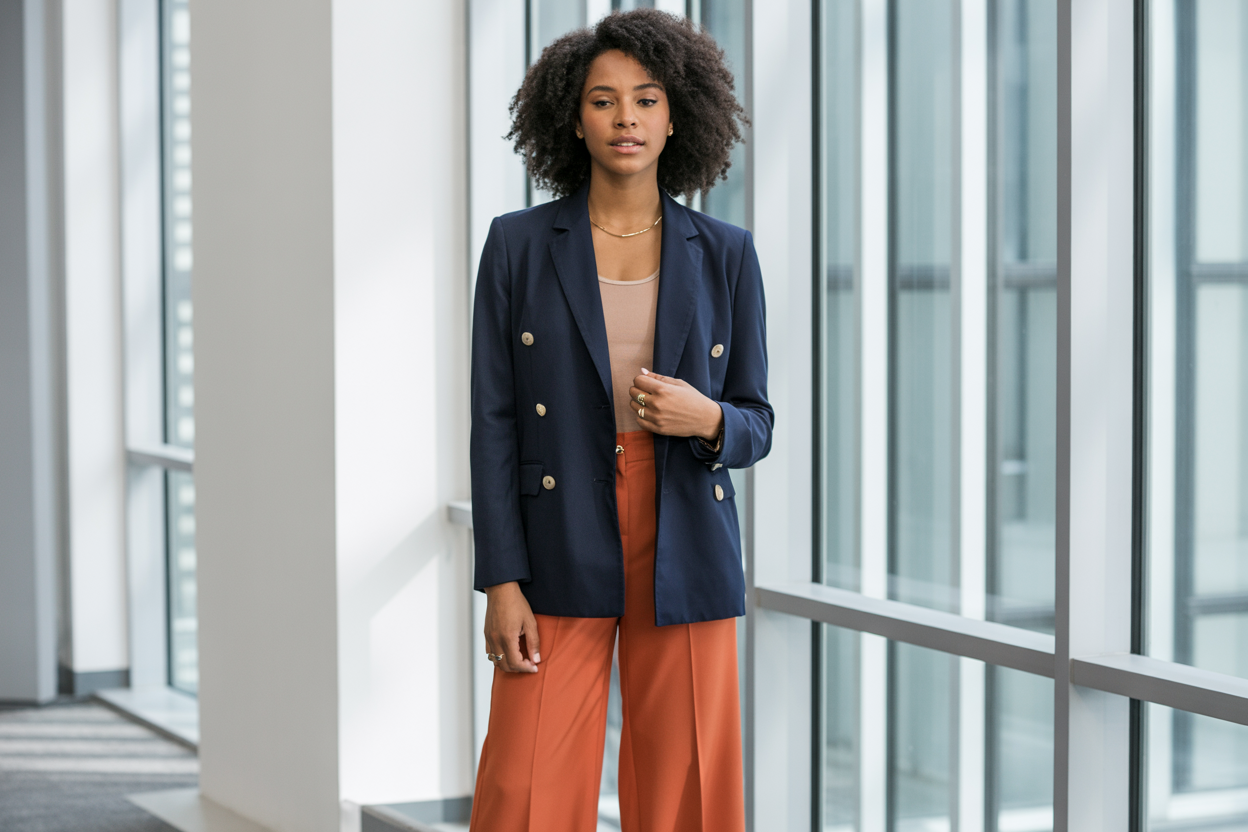
Contemporary Twists on Classic Pieces
Gone are the days when office wear meant boring suits and uncomfortable shoes. The game has changed, friends. That classic white button-down? It’s getting a major upgrade.
Try a white shirt with unexpected details – think asymmetrical cuts, statement cuffs, or subtle texture. A slight puff sleeve or interesting collar can transform your basic shirt into something that makes people notice.
Blazers don’t have to be boxy anymore. Modern cuts featuring softer shoulders, cinched waists, or cropped lengths bring that traditional power piece into 2023. Throw one over a simple tee and suddenly you’re not just professional – you’re stylish too.
And pants? The options are endless now. Wide-leg trousers, high-waisted cuts, and even leather-look materials can work in most offices. The trick is keeping the silhouette clean and the fit impeccable.
Incorporating Current Trends Appropriately
The office isn’t fashion week, but that doesn’t mean trends are off-limits. The secret is picking the right ones.
Bright colors are having a moment – but maybe save the neon green for weekends. Instead, try jewel tones or soft pastels that make a statement without shouting. A rich emerald blouse or burgundy pant can energize your workday look without raising eyebrows.
Pattern mixing? Absolutely doable. Just keep it in the same color family or balance a bold pattern with something subtle. Think pinstripe pants with a small polka dot blouse in complementary colors.
Accessories are your best friend for trend-testing. That chunky chain necklace or oversized watch can modernize even the most traditional outfit without crossing any professional boundaries.
Balancing Comfort and Professionalism
Who says you can’t be comfortable AND look like a boss? The best-kept secret of modern office dressing is that comfort and professionalism aren’t enemies anymore.
Stretchy dress pants that look tailored but feel like yoga pants? They exist and they’re game-changers. Brands are finally catching on that we sit all day and need clothes that move with us.
Layering is your secret weapon. A structured piece (like a blazer) over something soft and comfortable gives you the best of both worlds. You’ll look put-together but feel like you’re wearing your favorite weekend clothes.
Shoes matter more than anything else for all-day comfort. Block heels, fashionable loafers, and even certain sleek sneakers are making their way into professional settings. Your feet will thank you, and nobody needs to know you feel like you’re walking on clouds.
Remember this: if you’re constantly adjusting, tugging, or thinking about your clothes, that outfit isn’t working. The most professional thing you can do is appear comfortable in your skin – and your clothes.
Express Your Personality While Maintaining Professionalism

A. Accessories That Make a Statement
Gone are the days when office accessories meant a simple watch and maybe a wedding ring. Your accessories can speak volumes before you even open your mouth.
Bold earrings can transform a basic blazer and slacks combo. Think geometric shapes for a modern edge or vintage-inspired pieces that showcase your eye for classics.
Watches aren’t just timepieces anymore—they’re conversation starters. A unique watch band or an unexpected color can refresh your entire look without breaking any dress codes.
For guys, socks have become the secret rebellion of office wear. Those colorful patterns peeking out between your pants and shoes? That’s personality in motion.
B. Incorporating Personal Style Elements
The trick to bringing yourself to work (stylistically speaking) is knowing which personal touches work in professional settings.
If you’re a vintage lover, incorporate retro-inspired blouses or classic cuts rather than going full costume. A 60s-style shift dress in a modern fabric keeps things professional while honoring your aesthetic.
Color enthusiasts can use their palette strategically. If bright yellow makes you happy, maybe it’s your signature blazer rather than head-to-toe neon. The idea is to use your favorite elements as accents.
Pattern mixing shows confidence when done right. That floral shirt under a pinstripe suit? You just went from corporate clone to style icon.
C. Creating Signature Looks
Having a signature look doesn’t mean wearing the same thing daily. It’s about creating a recognizable style formula that becomes associated with you.
Maybe you’re the “interesting collar person” who always sports unique necklines. Or perhaps you’re known for your collection of sophisticated broaches that add character to every outfit.
Consistency in certain elements helps establish your workplace identity. Whether it’s always incorporating a specific color, texture, or accessory type, these choices become your visual calling card.
D. Cultural Expression Through Professional Attire
Your cultural background offers rich inspiration for professional attire that tells your story.
Traditional textiles can be incorporated through modern cuts—think jackets lined with kente cloth or ties inspired by indigenous patterns. These touches honor heritage while fitting seamlessly into workplace expectations.
Jewelry and accessories often provide perfect opportunities to showcase cultural elements without overwhelming your look. A subtle pendant, bangle, or pin can carry personal meaning without requiring explanation.
E. Finding Your Unique Professional Style Voice
Developing your style voice means paying attention to what makes you feel powerful and authentic.
Start by identifying the feelings you want your clothes to evoke. Confident? Approachable? Creative? Authoritative? Your wardrobe should support these goals.
Experiment gradually. Try one new element at a time rather than overhauling your entire closet overnight. Notice what generates compliments and—more importantly—what makes you stand taller.
Remember that evolving is part of the process. Your professional style should grow as you do. The junior associate’s wardrobe likely won’t (and shouldn’t) match the executive’s—but both can be authentically you at different stages.
Dress Code Navigation
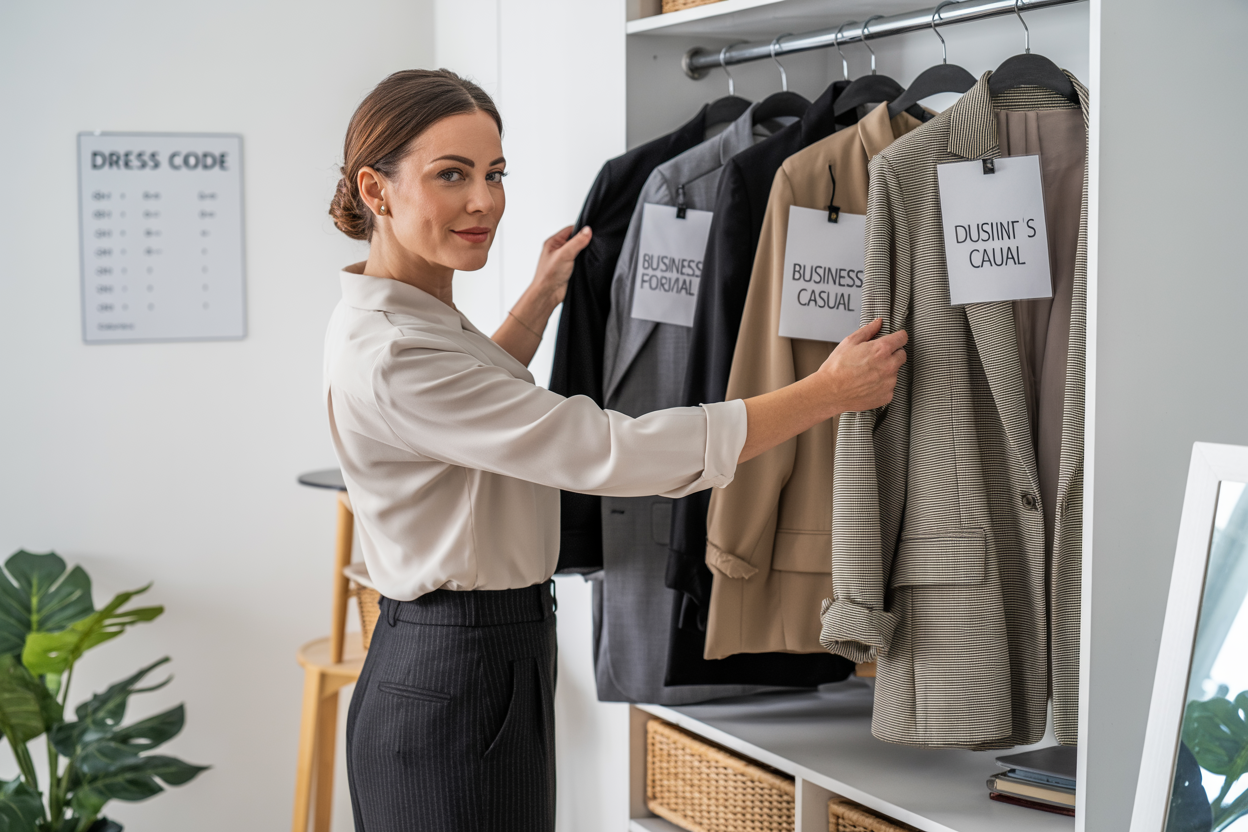
Decoding Different Office Environments
Ever walked into a new office and felt completely out of place because you misread the dress code? Yeah, been there.
Office environments come in roughly four flavors:
- Traditional Corporate: Think law firms, finance, and consulting. Suits reign supreme, and there’s little wiggle room for personal expression.
- Business Casual: Most modern offices fall here. Think tech companies and marketing firms where chinos and button-downs are the norm.
- Creative Professional: Design agencies, media companies, and startups where expression is encouraged.
- Casual: Tech startups and certain remote-first companies where t-shirts and jeans are perfectly acceptable.
The trick? Observe what the higher-ups wear. If your boss rocks tailored suits daily, showing up in jeans might send the wrong message. When in doubt, slightly overdress your first week, then adjust accordingly.
Business Casual Done Right
Business casual might be the most misunderstood dress code on the planet. Too casual and you look unprofessional; too formal and you look stiff.
For women:
- Swap the full suit for separates: blazers with smart pants or skirts
- Dresses that hit near the knee (the fingertip rule is your friend)
- Closed-toe shoes (flats, loafers, or modest heels)
- Quality fabrics that don’t wrinkle easily
For men:
- Chinos or wool trousers instead of jeans
- Button-downs or polos (no graphic tees, please)
- Blazers without matching pants
- Leather shoes (not sneakers)
The secret to nailing business casual? Quality over quantity. Five well-fitted, high-quality pieces will serve you better than fifteen cheap ones.
Creative Professional Settings vs. Corporate Environments
These two worlds couldn’t be more different, and mixing up their dress codes is a recipe for awkwardness.
In creative settings:
- Bold colors and patterns aren’t just allowed—they’re celebrated
- Statement accessories show personality
- Designer jeans paired with blazers often work perfectly
- Trendy cuts and silhouettes signal you’re in the know
Corporate environments play by different rules:
- Neutral colors dominate (navy, black, gray, beige)
- Accessories should be minimal and classic
- Structured garments signal authority
- Traditional cuts communicate reliability
The biggest mistake people make? Wearing corporate clothes to creative jobs. It signals you don’t understand the culture. Creative industries value individual expression—your outfit is your first portfolio piece.
Remember: dress for the job you want, not just the job you have. If you aspire to lead the creative department, your wardrobe should reflect that creative confidence. But if you’re gunning for that corner office in finance, classic power dressing never goes out of style.
Sustainable and Ethical Office Fashion
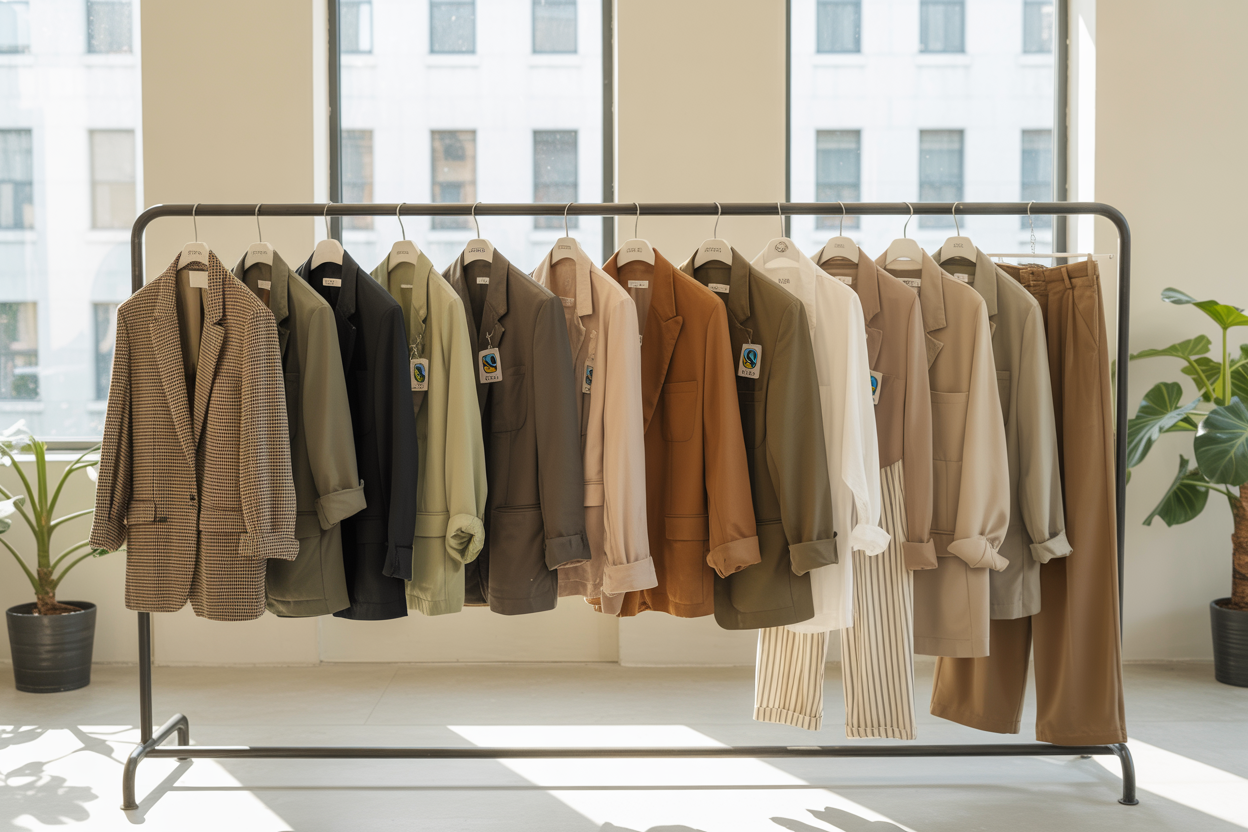
Building a Capsule Work Wardrobe
The fast fashion hamster wheel is exhausting, isn’t it? A capsule work wardrobe cuts through the noise. It’s about owning fewer, better pieces that mix and match effortlessly.
Start with your foundation pieces: two tailored pants (black and navy), a well-fitted blazer, three button-down shirts, two skirts (pencil and A-line), and a versatile dress. Add three knit tops that complement your bottoms, and you’ve got dozens of combinations right there.
The magic happens when everything works together. That black blazer should look just as good over your dress as it does with your navy pants. Those button-downs? They need to tuck nicely into both skirts and pants.
Color is key. Build around neutrals (black, navy, gray, beige) with 2-3 accent colors that reflect your personality but still feel workplace-appropriate. This isn’t about being boring—it’s about being strategic.
What most people get wrong about capsule wardrobes? Thinking they’re boring. They’re actually liberating. Decision fatigue disappears. Your morning routine gets 20 minutes shorter. And you always look put-together.
Quality Over Quantity Approach
Cheap clothes are expensive in the long run. That $25 blouse might seem like a deal until it pills, warps, or loses its shape after three washes.
Here’s what quality actually looks like:
- Seams lie flat and have generous allowances
- Buttons are securely attached with backup buttons included
- Natural fabrics that breathe and move with you
- Consistent stitching without loose threads
- Linings in jackets and skirts that feel good against your skin
Yes, investing in quality means fewer pieces overall. But each item will last years instead of months. A $150 silk blouse worn weekly for five years costs less per wear than a $30 polyester one replaced every six months.
Quality pieces also elevate your professional image. People notice (even subconsciously) when fabrics drape properly and garments fit well. The confidence boost alone makes the investment worthwhile.
Eco-Friendly Fabric Choices for Professional Wear
Not all fabrics deserve space in your sustainable work wardrobe. Here’s what to look for:
Organic cotton uses 91% less water than conventional cotton and contains no harmful pesticides. For button-downs and casual Friday pieces, it’s unbeatable.
Tencel and lyocell are game-changers for office wear. Made from sustainably harvested wood pulp, they create beautiful draping blouses and pants with minimal environmental impact.
Wool is nature’s performance fabric – it regulates temperature, resists odors, and lasts forever with proper care. A merino wool blazer might be pricey, but it’ll look new after years of wear.
Recycled polyester (from plastic bottles) makes sense for structured pieces that need some synthetic content. Just make sure it’s genuinely recycled, not greenwashed.
Extending the Life of Your Work Clothes
The most sustainable garment is the one already in your closet. Simple habit changes can double or triple the lifespan of your work clothes.
Wash less. Seriously. Most office wear can go multiple wears before cleaning. Spot clean small marks, air garments between wearings, and save machine washing for when truly necessary.
Invest in proper hangers—wooden for jackets, padded for delicate items. Wire hangers from the dry cleaner are wardrobe killers that stretch shoulders and create bumps.
Learn basic mending skills. Replacing buttons, fixing fallen hems, and closing small seam gaps takes minutes but saves perfectly good clothes from the donation pile.
Seasonal storage matters too. Clean everything before storing, use breathable garment bags, and keep wool safe from moths with cedar blocks rather than toxic mothballs.
Kindly visit www.Biopharmaverse.com for Information about biopharmaceutical world.