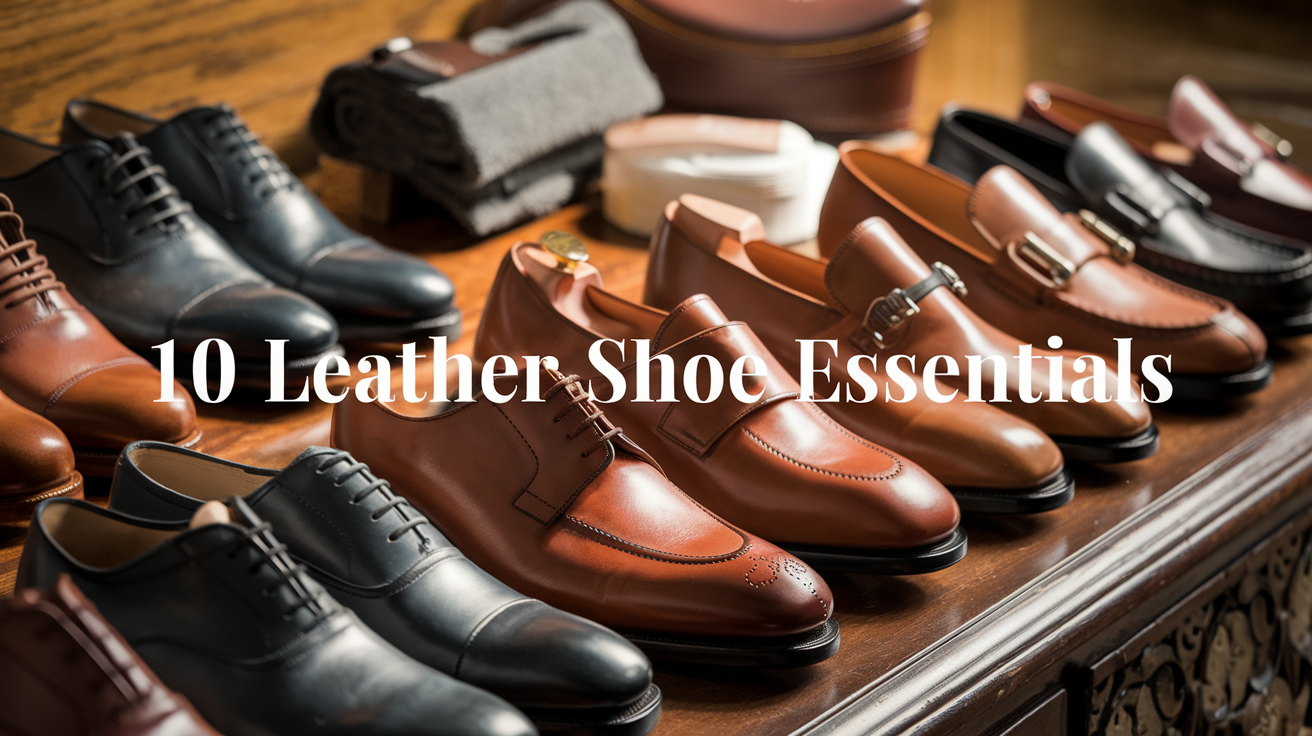
Are you tired of lackluster leather shoes that fail to make a statement? 👞 Look no further! We’re about to unveil 10 jaw-dropping leather shoe essentials that will transform your wardrobe and turn heads wherever you go. From sleek oxfords to rugged boots, these timeless classics are not just optional – they’re absolute must-haves for any fashion-conscious individual.
Imagine stepping into a room with confidence, knowing your footwear speaks volumes about your style and attention to detail. With the right leather shoes, you’ll exude sophistication and charm effortlessly. But choosing the perfect pair can be overwhelming. How do you select the right leather? What features should you look for? Don’t worry – we’ve got you covered!
In this comprehensive guide, we’ll explore the essential types of leather shoes, help you choose the finest materials, and reveal the key features that separate exceptional footwear from the rest. We’ll also share expert tips on matching your new leather shoes with various outfits and provide invaluable advice on proper care and maintenance. Get ready to elevate your shoe game and discover the transformative power of quality leather footwear! 🌟
Types of Essential Leather Shoes
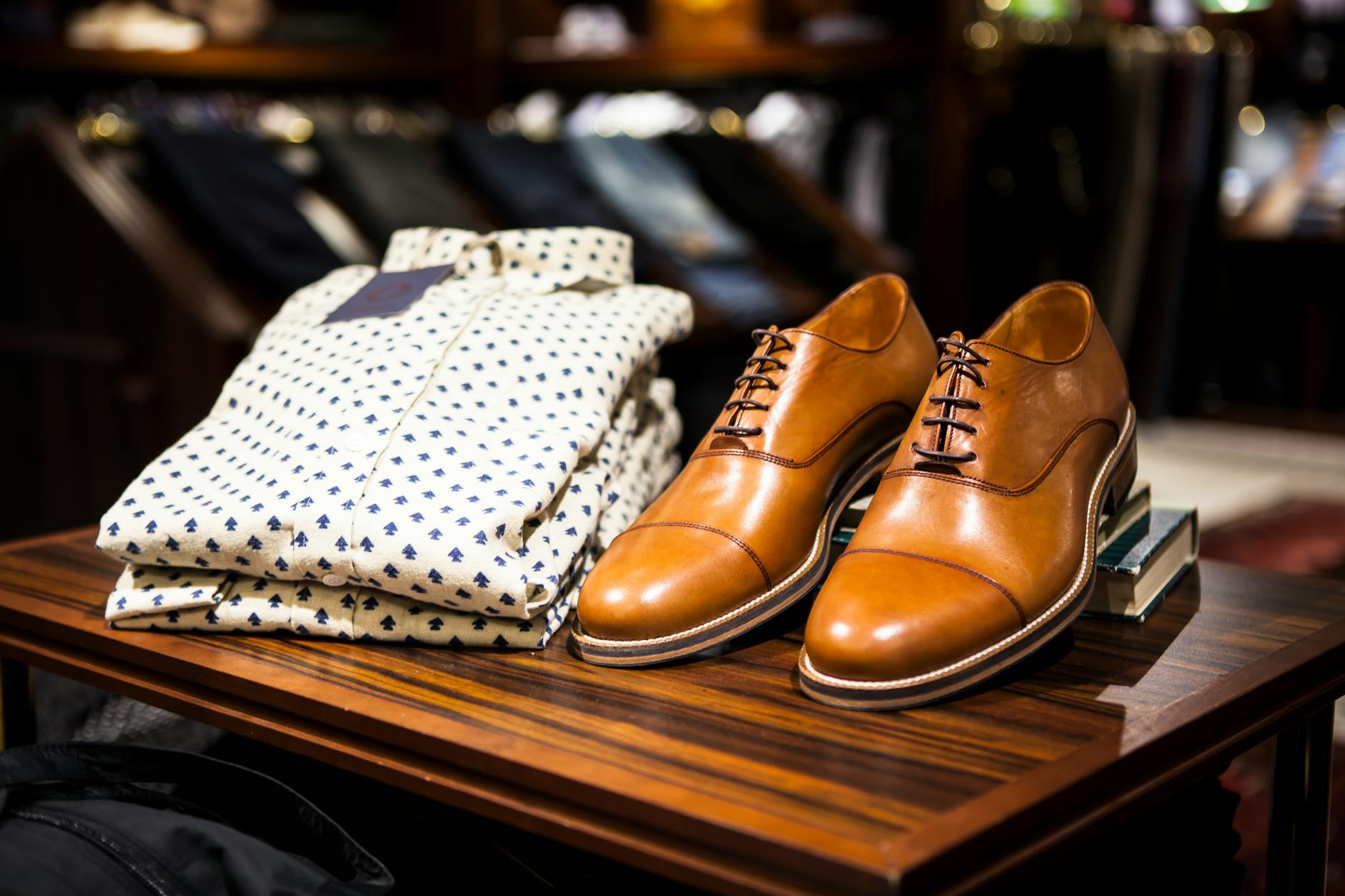
A. Classic Oxford Shoes
Oxford shoes are the quintessential leather dress shoe, known for their sleek design and closed lacing system. These elegant shoes are perfect for formal occasions and business attire. The closed lacing, where the eyelet tabs are sewn under the vamp, creates a clean and sophisticated look that sets Oxfords apart from other dress shoes.
Key features of Oxford shoes:
- Closed lacing system
- Sleek and minimalist design
- Ideal for formal events and business settings
- Available in various colors, with black and dark brown being the most versatile
Oxford shoes are a must-have in any leather shoe collection, offering timeless style and versatility. They pair exceptionally well with suits and can elevate even the most basic formal outfit.
B. Versatile Derby Shoes
Derby shoes, often confused with Oxfords, feature an open lacing system that provides a more relaxed fit. This subtle difference makes Derby shoes slightly less formal than Oxfords but more versatile for various occasions.
Characteristics of Derby shoes:
- Open lacing system
- More comfortable fit for wider feet
- Suitable for both casual and semi-formal settings
- Often available in various leather types and colors
Derby shoes bridge the gap between formal and casual, making them an excellent choice for business casual environments or smart-casual events.
C. Elegant Loafers
Loafers are slip-on shoes that combine comfort with style. Originating from Scandinavian culture, these shoes have become a staple in smart-casual wardrobes worldwide. The lack of laces and simple design make loafers an easy-to-wear option for various occasions.
Types of loafers:
- Penny loafers
- Tassel loafers
- Horsebit loafers
- Venetian loafers
Loafers are versatile and can be paired with both formal and casual outfits. Brown and navy are popular color choices, offering flexibility with different color palettes.
D. Stylish Monk Straps
Monk strap shoes are a unique alternative to traditional lace-up dress shoes. They feature a distinctive strap and buckle closure system, adding a touch of flair to formal footwear.
Monk strap variations:
- Single monk: Features one strap and buckle
- Double monk: Has two straps and buckles for added visual interest
Monk straps offer a balance between the formality of Oxfords and the casual nature of loafers, making them suitable for both business and social settings.
| Shoe Type | Formality Level | Lacing System | Best For |
|---|
| Oxford | Highest | Closed | Formal events, business |
| Derby | High to Medium | Open | Business casual, smart-casual |
| Loafer | Medium to Casual | Slip-on | Smart-casual, casual |
| Monk Strap | High to Medium | Buckle closure | Business, social events |
When selecting essential leather shoes, consider the occasions you’ll be wearing them for and how they complement your existing wardrobe. A well-rounded collection should include at least one pair from each category to ensure you’re prepared for any event.
Now that we have covered the essential types of leather shoes, it’s crucial to understand how to choose the right leather for your footwear. In the next section, “Choosing the Right Leather,” we’ll explore the different qualities of leather used in shoe production and how they affect the overall durability and appearance of your footwear.
Choosing the Right Leather
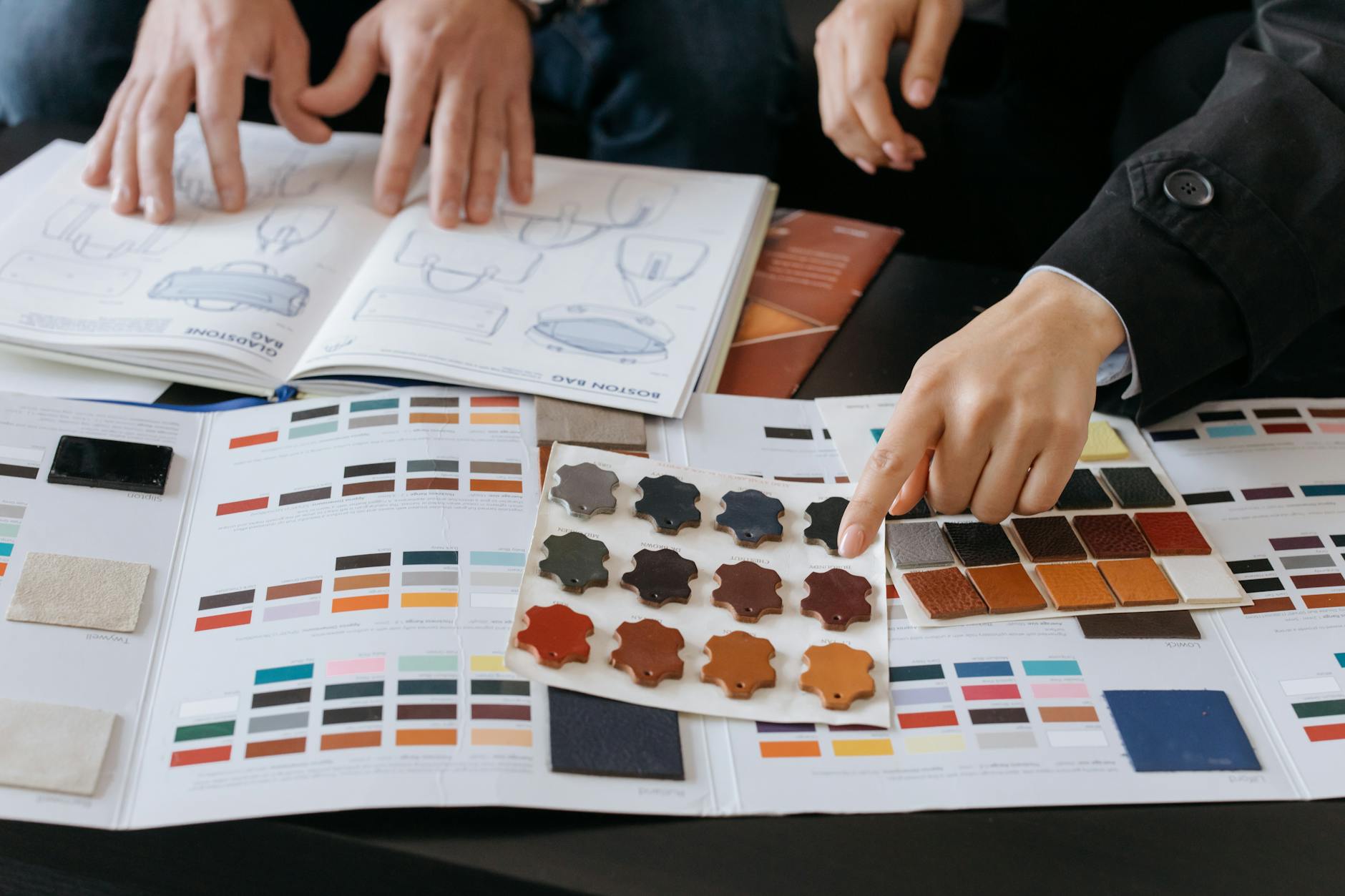
Full-grain leather benefits
Full-grain leather is the crème de la crème of leather types, offering a multitude of benefits for high-quality footwear. This premium material is renowned for its durability, breathability, and natural beauty that develops a unique patina over time.
- Exceptional durability
- Natural breathability
- Develops a beautiful patina
- Retains original leather characteristics
One of the most significant advantages of full-grain leather is its unparalleled longevity. Shoes made from this material can last for decades with proper care, making them an excellent investment for your wardrobe.
Top-grain leather advantages
While not as prestigious as full-grain, top-grain leather offers a balance between quality and affordability. This type of leather undergoes a process that removes imperfections, resulting in a more uniform appearance.
Benefits of top-grain leather include:
- Softer texture
- Increased stain resistance
- More affordable than full-grain
- Easier to maintain
Top-grain leather shoes are an excellent choice for those seeking a high-quality option without breaking the bank. They offer many of the benefits of full-grain leather at a more accessible price point.
Genuine leather considerations
Genuine leather, despite its name, is actually the lowest quality of the three leather types discussed. It’s made from the leftover hide after the top layers have been removed, often bonded together with adhesives.
When considering genuine leather shoes, keep in mind:
- Lower durability compared to full-grain and top-grain
- Less breathable than higher-quality leathers
- Often requires more frequent replacement
- Can be a budget-friendly option for casual wear
While genuine leather may not offer the same level of quality as full-grain or top-grain, it can still be a suitable choice for certain types of footwear or for those on a tighter budget.
To help you make an informed decision, here’s a comparison of the three leather types:
| Feature | Full-grain | Top-grain | Genuine |
|---|
| Durability | Excellent | Good | Fair |
| Breathability | High | Moderate | Low |
| Price | High | Moderate | Low |
| Patina development | Yes | Limited | No |
| Maintenance | Moderate | Easy | Varies |
When choosing leather for your essential footwear, consider your budget, intended use, and desired longevity. Full-grain leather is ideal for investment pieces that you plan to wear for years, while top-grain offers a great balance of quality and value. Genuine leather can be suitable for casual shoes or when budget constraints are a primary concern.
Now that you understand the different types of leather used in shoe-making, let’s explore the key features to look for when selecting your perfect pair of leather shoes.
Key Features to Look For
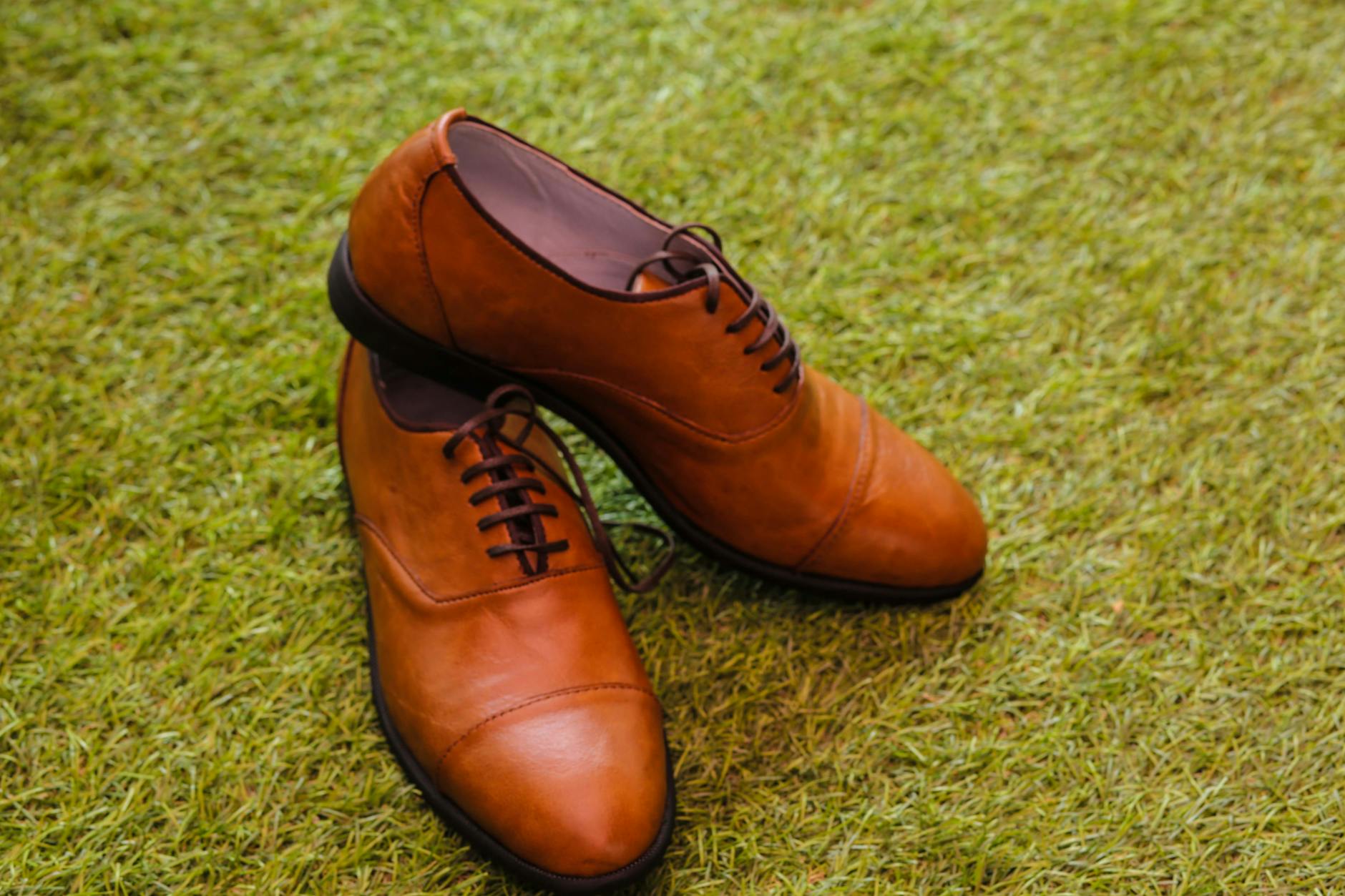
Now that we’ve covered the importance of choosing the right leather, let’s delve into the key features you should look for when selecting high-quality leather shoes. These features will ensure that your footwear not only looks great but also stands the test of time.
Quality Construction Techniques
When it comes to leather shoes, the construction method plays a crucial role in determining their durability and overall quality. Here are some top-tier construction techniques to look out for:
- Goodyear Welting: This method is highly regarded for its exceptional durability and ease of resoling. Goodyear welted shoes can last for decades with proper care.
- Blake Stitching: While not as easily resoled as Goodyear welted shoes, Blake stitched footwear offers a sleek, streamlined appearance.
- Hand-Stitching: Precise, even stitches are a hallmark of well-crafted shoes. Look for tight, uniform stitching throughout the shoe.
| Construction Method | Durability | Resoling Ease | Appearance |
|---|
| Goodyear Welting | Excellent | Very Easy | Classic |
| Blake Stitching | Very Good | Moderate | Sleek |
| Cementing | Fair | Difficult | Varies |
Avoid shoes with cemented soles, as these are generally less durable and difficult to repair.
Comfortable Insoles and Lining
Comfort is paramount when it comes to leather shoes. Here’s what to look for in insoles and lining:
- Supportive Insoles: High-quality shoes should feature insoles that provide proper arch support and cushioning.
- Breathable Lining: Look for shoes with natural materials like leather or cotton for the lining, as these allow for better air circulation and moisture control.
- Molding Capability: Premium leather shoes often mold to your feet over time, providing a personalized fit and enhanced comfort.
Durable Outsoles
The outsole is where your shoe meets the ground, so durability is key. Consider these factors:
- Material: For formal shoes, leather soles are traditional and elegant, though they may wear out faster than rubber. Dainite soles offer a good balance of durability and style.
- Thickness: A thicker sole generally indicates better durability and longevity.
- Tread Pattern: Look for soles with a pattern that provides adequate grip and traction.
- Flexibility: The sole should have some flexibility to allow for natural foot movement.
When examining outsoles, keep in mind that rubber soles are generally not recommended for formal leather shoes, as they can detract from the overall aesthetic.
Additional Features to Consider
- Full-Grain Leather: This highest quality leather option offers exceptional durability and develops a beautiful patina over time.
- Proper Fit: Leather shoes often run narrower than casual footwear, so accurate foot measurements are crucial.
- Brand Reputation: Established brands like Allen Edmonds, Meermin, and Beckett Simonon are known for their quality craftsmanship.
- Price-Quality Balance: While higher prices often correlate with better quality, it’s essential to assess the overall value rather than focusing solely on cost.
By paying attention to these key features, you’ll be well-equipped to select leather shoes that not only look fantastic but also provide lasting comfort and durability. With your new knowledge of what to look for in quality leather shoes, you’ll be ready to move on to the next crucial step: matching your leather shoes with various outfits to create stylish and cohesive looks.
Matching Leather Shoes with Outfits
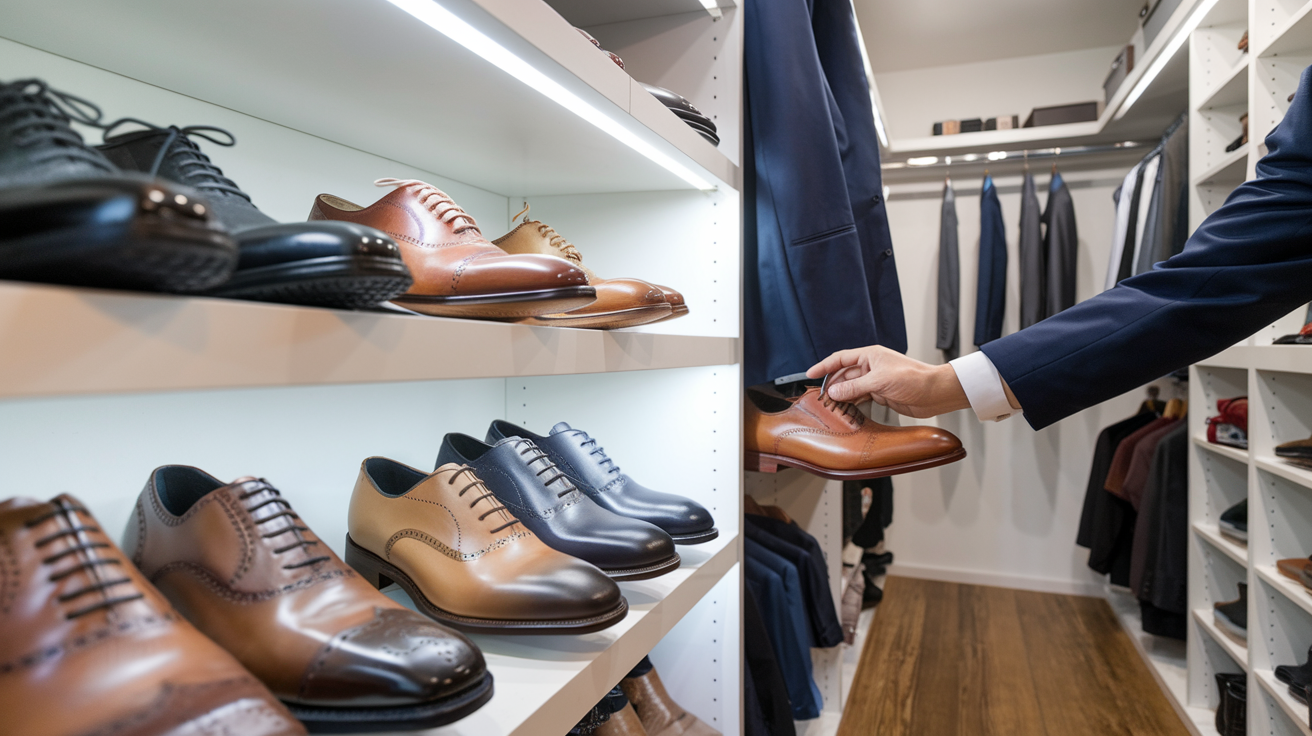
Now that we’ve covered the key features to look for in leather shoes, let’s explore how to match these essential footwear pieces with various outfits. The right pairing can elevate your style and create a polished look for any occasion.
Formal Wear Pairings
When it comes to formal attire, leather shoes play a crucial role in completing your ensemble. Here are some guidelines for matching leather shoes with formal wear:
- Black leather shoes: These are the most versatile option for formal occasions. Pair them with black, navy, or charcoal suits for a classic look.
- Brown leather shoes: While less common for formal events, they can work well with navy or lighter-colored suits for a slightly more relaxed formal style.
| Shoe Color | Suit Color | Occasion |
|---|
| Black | Black | Black-tie events, funerals |
| Black | Navy | Business meetings, weddings |
| Brown | Navy | Semi-formal events, daytime weddings |
| Brown | Light Gray | Summer formal events |
For women, leather pumps or sleek leather boots can complement formal dresses or tailored jumpsuits, providing both style and comfort.
Business Casual Combinations
Business casual offers more flexibility in pairing leather shoes with outfits. Here are some popular combinations:
- Leather-oxfords with chinos and a button-down shirt
- Leather-loafers with dress pants and a polo shirt
- Leather-brogues with dark jeans and a blazer
For women, leather sneakers can replace high heels in professional settings, pairing well with tailored pants or pencil skirts. This combination offers a perfect balance of comfort and style for the workplace.
Smart Casual Ensembles
Smart casual is where leather shoes truly shine, offering numerous styling possibilities:
- Leather–sneakers: These versatile shoes can be paired with skinny jeans, leggings, or casual dresses for a chic and sporty look.
- Leather-boots: Perfect for fall and winter, they can be matched with jeans, skirts, or dresses for a trendy appearance.
- Leather-loafers: Ideal for a polished yet relaxed look, pair them with chinos or dark jeans and a casual shirt.
To elevate your smart casual outfit, consider these tips:
- Accessorize thoughtfully with belts or handbags that complement your leather shoes
- Experiment with socks and tights to add visual interest
- Mix textures for a more dynamic look (e.g., leather shoes with a wool coat)
- Play with proportions to enhance overall aesthetics (e.g., oversized sweater with fitted leather boots)
Remember, the key to successful outfit pairing is to consider the type of leather, style, color, and fit of your shoes. Full-grain leather shoes offer a natural look suitable for both formal and casual settings, while top-grain leather provides a smoother appearance ideal for dressier occasions.
As we transition to the next section on proper care and maintenance, it’s important to note that regular upkeep of your leather shoes is essential not only for their longevity but also for maintaining their appearance. This ensures that your carefully chosen outfits always look their best, from formal events to casual outings.
Proper Care and Maintenance

Now that we’ve covered how to match leather shoes with outfits, let’s dive into the crucial aspect of keeping your leather footwear in top condition. Proper care and maintenance are essential for preserving the beauty and longevity of your leather shoes.
A. Regular cleaning methods
Regular cleaning is the foundation of leather shoe care. Here’s a step-by-step guide to keeping your shoes clean:
- Remove laces and insoles
- Use a soft cloth or brush to remove surface dirt
- Apply a leather cleaner specifically designed for your shoe type
- Wipe clean with a damp cloth
- Allow shoes to air dry naturally in a well-ventilated area
For suede shoes, use a spot eraser and suede shampoo to maintain the nap. Shell cordovan requires gentler cleaning due to its unique properties.
B. Conditioning and polishing tips
Conditioning and polishing are crucial steps in maintaining the appearance and durability of your leather shoes. Follow these tips:
- Condition the leather every six wears to restore oils lost during cleaning
- Use a high-quality product like Saphir’s Renovateur for conditioning
- Apply shoe cream to enhance color and provide a base shine
- For a mirror-like finish, use wax polish on smooth leather shoes
- Buff thoroughly with a horsehair brush between each step
| Leather Type | Conditioning Frequency | Polishing Frequency |
|---|
| Calf/Full Grain | Every 6 wears | Every 3-4 wears |
| Suede | As needed (use protector spray) | Not recommended |
| Shell Cordovan | Every 10-12 wears | Minimal, as needed |
| Reptile Skins | Every 4-5 wears (use specialized products) | As needed |
C. Storage recommendations
Proper storage is essential for maintaining the shape and condition of your leather shoes when not in use:
- Insert cedar shoe trees to absorb moisture and maintain shape
- Store shoes in dust bags to prevent dust-related degradation
- Keep leather shoes away from direct sunlight and heat sources
- Ensure proper ventilation in the storage area
- Avoid stacking heavy items on top of leather shoes
Remember to rotate your shoes regularly, allowing at least 24 hours between wears for proper drying and shape retention.
By following these care and maintenance guidelines, you’ll significantly extend the life of your leather shoes and keep them looking their best. Regular cleaning, conditioning, and proper storage are investments in time that pay off in the long run, preserving the quality and aesthetic appeal of your essential leather footwear.
For those who find shoe care time-consuming, professional cleaning services can be a worthwhile investment. However, with the right tools and techniques, maintaining your leather shoes at home can be a rewarding experience that enhances your appreciation for quality footwear.
Essential tools for leather shoe care include:
Cedar shoe trees
- Horsehair brushes (soft and stiff)
- Leather cleaner and conditioner
- Shoe cream and wax polish
- Soft cloths for application and buffing
- Suede brush and eraser (for suede shoes)
By incorporating these care routines into your regular shoe maintenance, you’ll ensure that your leather shoes remain a stylish and durable part of your wardrobe for years to come.
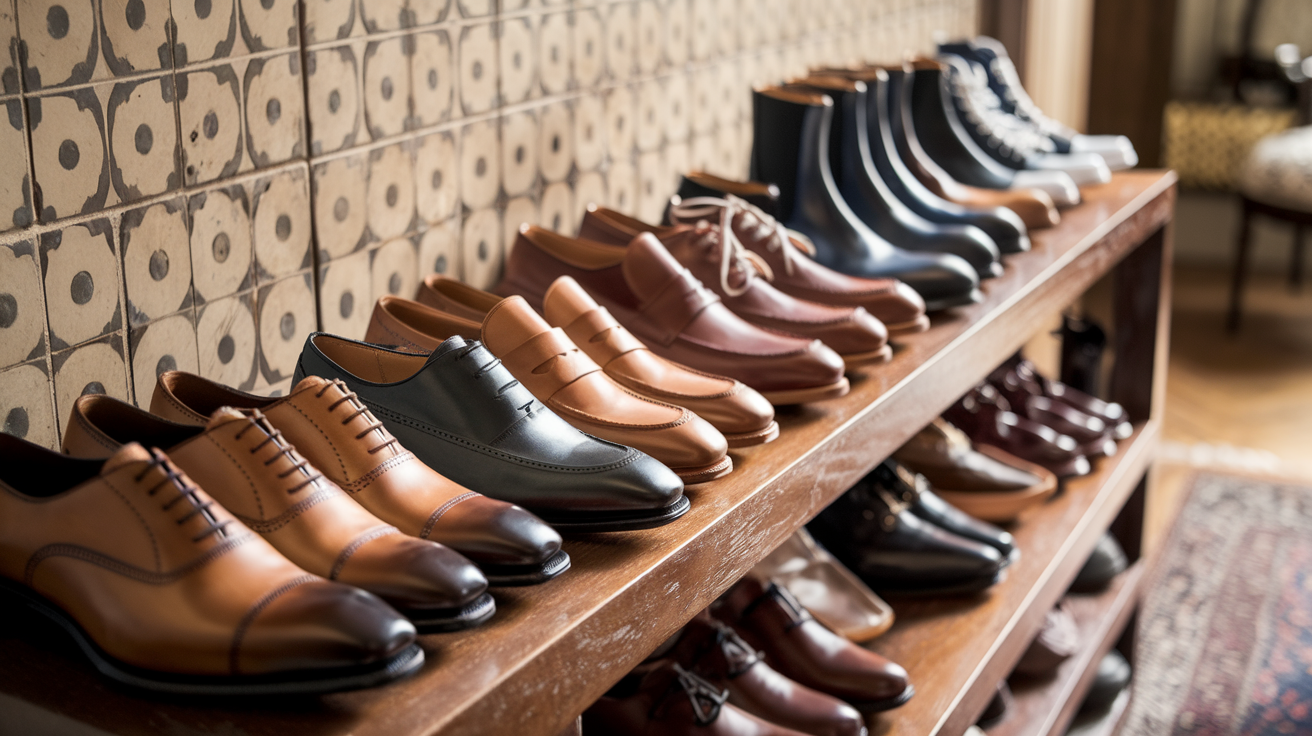
Investing in quality leather shoes is not just about style; it’s about comfort, durability, and versatility. By understanding the various types of essential leather shoes, choosing the right leather, and focusing on key features, you can build a collection that serves you well for years to come. Remember, matching your leather shoes with appropriate outfits and maintaining them properly are crucial steps in maximizing their longevity and appeal.
As you embark on your journey to discover jaw-dropping leather shoe essentials, keep in mind that these investments are not just optional accessories but fundamental elements of a well-rounded wardrobe. Take the time to explore different styles, care for your leather shoes diligently, and enjoy the confidence that comes with stepping out in timeless, high-quality footwear. Your feet—and your style—will thank you.
“Explore the world of biopharmaceutical innovations at Biopharmaverse.com – your go-to source for the latest breakthroughs in vaccines, biotech startups, and healthcare advancements. Stay informed while you shop at Eliteverse Fashion!“